 English
 French

Your Activity on 9jawap Is More Powerful Than You Think
News & Announcements |
2026-06-15 22:46:52

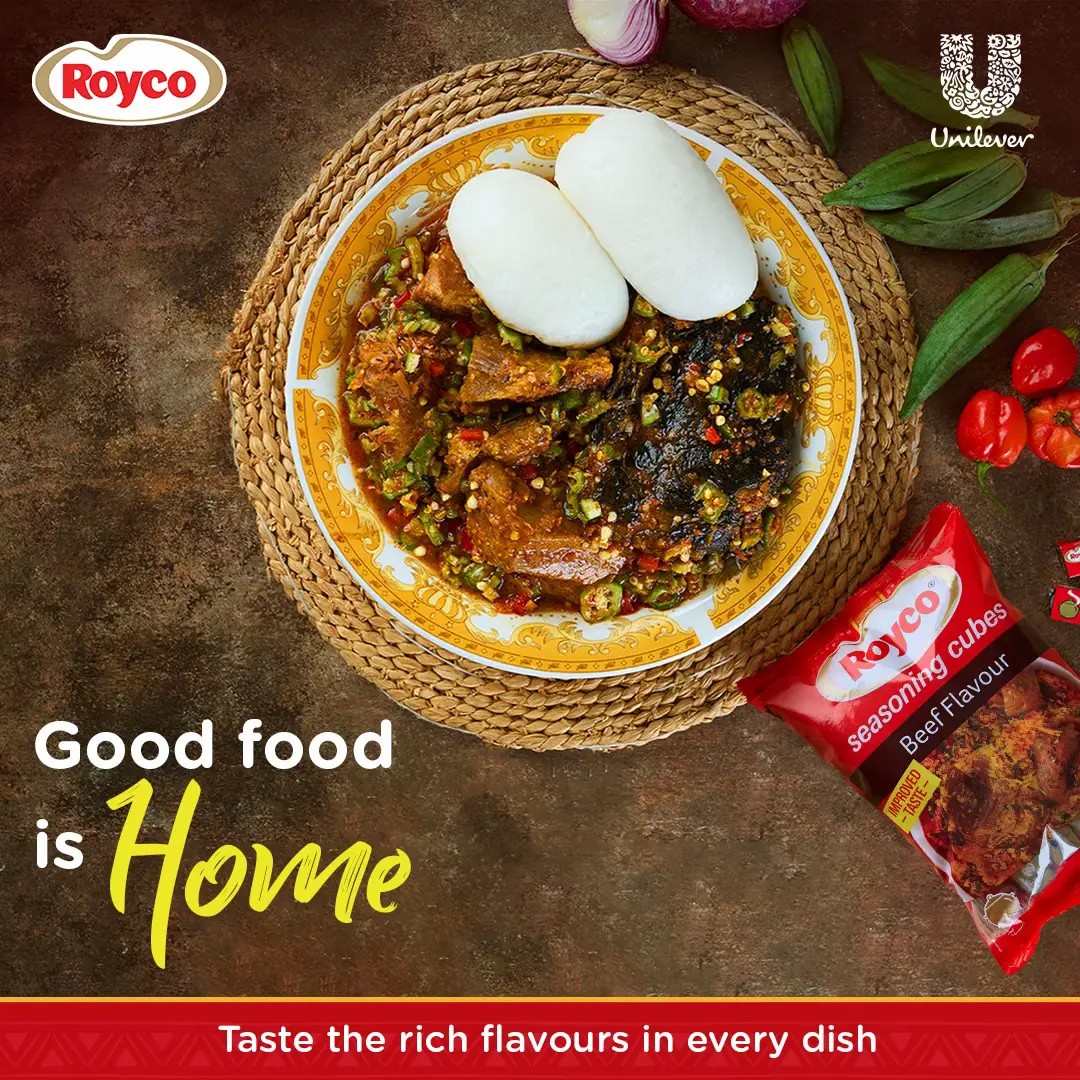
Good food isn't just about what's on the plate, you can create and run campaign like this on 9jawap.
Your first creator-platform win doesn’t have to be a viral post. It can be a clear profile and one useful piece of content. If you’re trying to get started on a creator platform, the number of options can make that first move feel harder than it is. You don’t need a perfect niche or a packed content calendar. You need a simple plan you can follow.
It’s normal to wonder what to share, how often to post, or whether anyone will respond. Slow early engagement doesn’t mean you’re doing it wrong. This guide will help you choose a platform that fits your goals, write a profile that explains what you create, and plan a manageable first post and publishing rhythm.
You’ll also find a practical first-week plan: publish, join conversations, and learn from the response without expecting instant growth. If connecting with a Nigerian community matters to you, 9jawap is a platform to explore. It supports creators in sharing content and connecting with others, with platform rewards available as a possibility, not a promised result. Start small, show up consistently, and build from there.
A creator platform is a digital space where people publish content and connect with an audience. It gives you a place to share, but it doesn’t guarantee that people will see your work, follow you, or pay for it.
Creators use platforms to teach a skill, share ideas, entertain, show their work, or start conversations around a shared interest. A home cook might post simple meal ideas for students. A photographer might share images and explain how they made them. The platform provides the space; the creator brings the subject, perspective, and effort.
This activity is part of the creator economy, the broader ecosystem of people making and sharing work through digital platforms. Your first post doesn’t need to be a business launch. Starting as a creator can simply mean learning to publish and finding people who value what you share. Building a full-time career is a different goal, often involving sustained work, income planning, and an established audience. You can begin creating without having that career plan in place.
A creator platform gives you a place to share your work and lets people respond or connect. The tools vary, so focus on what you want to make rather than assuming every platform works the same way. You might share a written tip, a design, a short performance, or an explanation of something you know.
Think of publishing as opening a door, not filling a room. People may discover your work gradually, and some posts may receive little response. That’s part of starting. First, focus on making your ideas clear and useful to the people you hope to reach.
Ask yourself two questions: who would you like to reach, and what would you like to offer them? Your audience might be beginners learning a skill, local creatives looking to connect, or people interested in your portfolio. Then choose one priority: practise creating, share useful content, build community, network with peers, or explore monetization later.
Keep your first objective within your control. For example, aim to publish four helpful posts in your first month and leave thoughtful responses on relevant conversations. That measures your actions, not follower counts or income, which you can’t control. It also gives you something concrete to review: which topics felt natural, which ideas were easiest to develop, and what you want to make next.
Ready to get started on a creator platform? Write your goal in one sentence and use it to guide your profile and first content choices. You can adjust as you learn, but a clear starting point makes the next decision easier.
Your profile is a quick introduction, not a complete biography. It should help a new visitor understand what you make and whether it’s for them. Keep that purpose in mind as you choose a niche, write your bio, and select a profile image.
To get started on a creator platform with a focused profile, connect three things: a subject you can return to, a particular audience, and the kind of content you can share. You don’t need a polished brand identity yet. First, check that you can explain the idea clearly and imagine creating around it more than once.
Start with what you know, enjoy, or often get asked about. A broad topic like personal finance could become simple budgeting explanations for first-time earners. Fashion could narrow to ways to rework clothes already in your wardrobe. Choose an angle that gives your audience a clear reason to care, then list several posts you could realistically make. If ideas come easily, you have a workable starting point.
Build your bio around a plain-language promise: who you are, what you share, and whom it may help. For example: “I share beginner-friendly phone photography tips for small business owners.” Use words people would naturally use to describe your content, and keep every claim honest. Don’t call yourself an expert or promise specific results unless you can support it.
Make the rest of your profile easy to recognise. Choose a clear image that looks like you or represents your work, and use a consistent public name so people can identify you across posts. You don’t need a particular colour palette, logo, or professional photo. Clarity matters more than polish at this stage.
Before publishing, check that your profile answers these questions:
Ask a friend to read your profile without context. If they find parts vague, trim anything that distracts from your core topic. Your profile can evolve as your interests and audience become clearer, so don’t let perfect wording hold up your first post.
Once your bio is ready, use it on a platform that supports sharing and connection. If you want to connect with a Nigerian community, consider the Nigerian creator platform 9jawap as a place to share your work and connect with others.
The right platform is one you can use consistently to reach the people you want to connect with. Compare options by format, audience, interaction style, and the time you can realistically give them. A popular platform isn’t automatically the best fit if its content style feels like a chore.
Use this guide to narrow your choices. These are broad formats, not guarantees about the features of any particular platform:
| Content style | What to consider |
|---|---|
| Written | Does the platform give your ideas room to breathe, and can you write at a pace you can maintain? |
| Visual | Can people understand your work through images, designs, or other visuals? Consider the effort it takes to prepare them. |
| Video | Are you comfortable planning, recording, and editing video, whether short or more detailed? |
| Discussion-led | Does the community make it natural to exchange ideas, answer questions, and take part in conversations? |
Choose a format you can repeat, not just one that looks exciting today. If you enjoy explaining ideas in detail, written posts may suit you better than frequent video. If you think in pictures, visual work may feel more natural. Check how easily a platform supports the format you want to share, then picture making several pieces without exhausting your time or energy.
Look for a community whose interests, communication style, and audience feel relevant to your topic. For creators in Lagos and across Nigeria, local conversations and shared context can help you connect with the people you hope to reach. Spend time observing how members interact and consider whether the community suits your approach. A good fit can make participation more worthwhile, but it can’t promise followers or income.
Platforms may support content monetization or rewards, but these are possibilities, not guaranteed outcomes. Treat rewards as a platform feature, not a forecast of what you’ll earn. Focus first on publishing useful work and joining conversations. When comparing communities in Nigeria, consider whether you can contribute naturally and whether the audience’s interests align with your content.
One main platform is enough to begin. Cross-posting can extend your reach, but it also means adapting content and keeping up with more than one space. Start with one, learn what you can sustain, and consider adding another when your routine feels steady. To get started on a creator platform, choose one that matches both your preferred format and the time you can give it. 9jawap is a Nigerian social platform where creators can share content, connect, and grow within a community.