

 Invite Others & Get paid
 9jawap Music
 Invite Friends
 Need Help
 FAQ
FAQ
 Collaborator Pro
Understanding Stablecoins: How USDT Powers Financial Inclusion
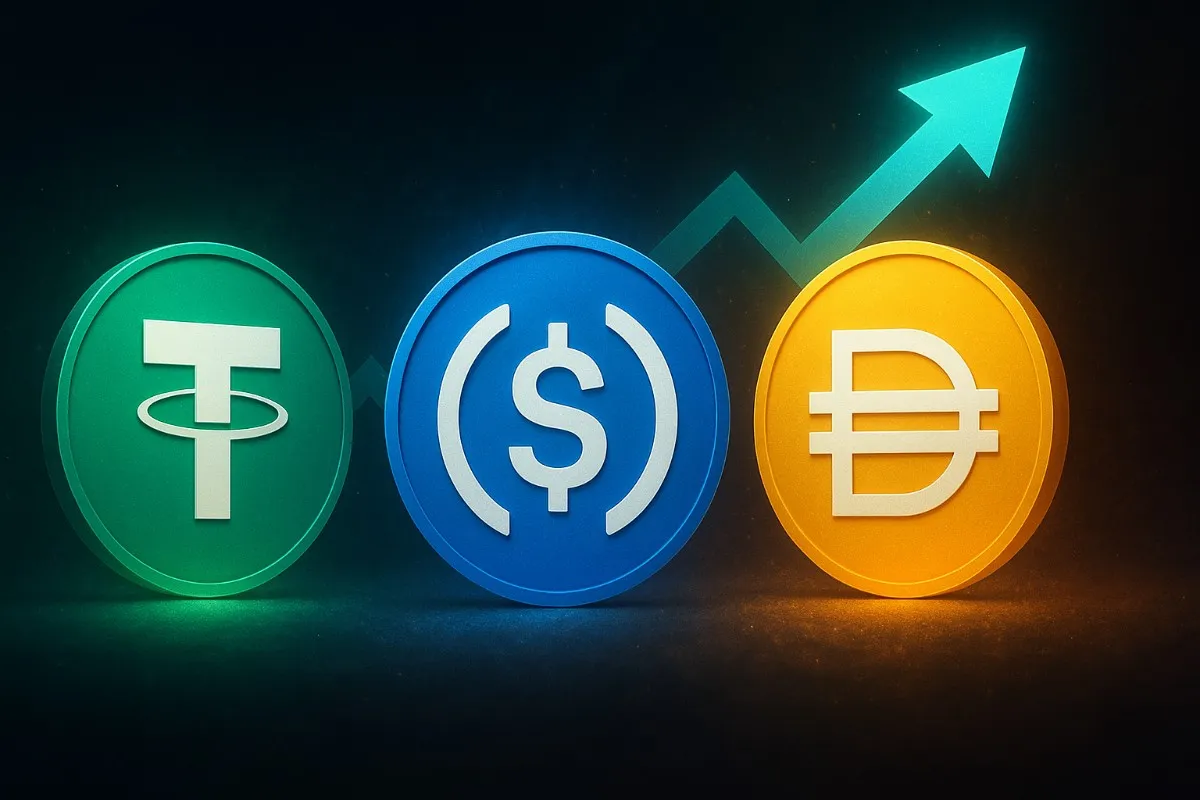
An Introduction to Tether & the World of Stablecoins
As society has evolved, our relationship with money has changed. From coins to paper currency and digital bank accounts to Bitcoin, our money has had to keep up with the times.
In recent decades, the internet has revolutionised the way we interact with each other, and our money has had to evolve alongside it. Cryptocurrencies, such as Bitcoin, have emerged, and while they have garnered immense popularity and offered promise to those let down by our present-day monetary system, they have also highlighted the limitations of traditional banking.
Historical Transformation of Money
Progression: Coins → Paper currency → Digital banking → Bitcoin.
Internet Revolution: Changed how society interacts, requiring money to adapt.
Bitcoin and Cryptocurrencies:
Address limitations of traditional banking.
Highlight gaps in accessibility and stability.
Given Bitcoin's digital nature, it is always open for business, running 24 hours a day, 365 days a year, with people buying and selling every second of every day. Meanwhile, there are countless individuals worldwide who are unable to access banking services. That aside, even when lucky enough to be "banked," the average bank operates for a fraction of the day, leaving us largely at the mercy of their operating hours.
But one of the main challenges with Bitcoin is that volatility deters practical use for savings or daily transactions. While cash may provide a workaround to such a crisis, relying on physical currency in a world where digital transactions are a necessity is not a viable long-term solution.
We need a currency tied to something of relative value, digitally native and available whenever we need it, regardless of the time or day of the week.
And this is where Tether and stablecoins come in.
Stablecoins are digital tokens designed to maintain a stable value with respect to something current markets recognize as valuable, such as gold or widespread fiat currencies like the US dollar.
Stablecoins offer a mixture of both worlds - the digital self-custodial characteristics of Bitcoin, at least to a degree, with the relative short-term price stability of traditional currencies.
Tether created its first stablecoin, USDt, in a 1:1 relation with the American dollar in 2014.
As traditional currencies continually struggle to keep pace with the demands of our rapidly changing global economy, and Bitcoin's short-term volatility makes it challenging for those who lack the capacity to save, the founders of Tether recognised an opportunity to bridge these worlds.
Stablecoins, led by Tether's USDt, represent a hybrid solution in the evolution of money. They combine the accessibility and efficiency of digital assets with the stability and practicality of traditional currencies, paving the way for a more inclusive and adaptable monetary future.
Categories
- Artificial Intelligence
- Branding
- Content Marketing
- Copywriting
- Corporate Social Responsibility
- Creative Team
- Customer Service
- Digital Marketers
- Digital Marketing
- E-commerce
- Email marketing
- Entrepreneurs
- Entrepreneurship
- Frontend Web Development
- Graphic Design
- Growth Hacking
- Hiring
- Influencer marketing
- Inspirational Quotes
- Internet marketing
- Mobile App Development
- Partnership
- Public Relations
- Reputation Management
- Search Engine Optimization
- Small Business
- Social Media
- Social Media Management
- Social Media Managers
- Social Media Marketing
- Social Media Training
- Social Responsibility
- Software Development
- Team Spirit
- Technology Alliance
- Training
- Virtual Reality
- Voice Search Optimization
- Web Design
- Web Design training
- Website Optimization
- Public Figure
- Art
- Causes
- Crafts
- Dance
- Drinks
- Film
- Fitness
- Food
- Games
- Gardening
- Health
- Home
- Literature
- Music
- Networking
- Other
- Party
- Religion
- Shopping
- Sports
- Theater
- Wellness
Read More
CAN SUPPRESSED ANGER RESULTS INTO CANCER There is the story of a particular young Cancer champion battling with various types of cancer. As soon as one Cancer is treated successfully, another form of Cancer would pup up again. As soon as lung cancer is treated, prostrate cancer sets in. This kept repeating itself until one day he was advised to visit a psychologist. The psychologist after...

HOW TO EAT YOUR FOOD AS MEDICINE 'If you don't eat your food as medicine today, you will eat your medicine as food tomorrow'. I have just three advice for you if want to stay healthy: eat good food, trek regularly (exercise) and drink a lot of clean water everyday. Even if it's only one square meal you have to eat everyday, make sure it's healthy for your body. Avoid or...

Life transformations rarely announce themselves with fireworks or loud proclamations. Instead, true change often arrives quietly, manifesting as subtle shifts in your internal world before manifesting in your external reality. If you have been feeling "off" or out of sync with your usual routine, it might not be a slump; it may be the signal of a new chapter unfolding. Drawing on...

24 MAJOR CHARACTERISTICS OF A NARCISSIST We all know who a narcissist is. But just for emphasis sake, a narcissist is someone who is in love with himself or herself excessively. A narcissist is an egoist. A narcissist is someone who has extreme love and admiration for his or herself. Narcissism or egoism is a psychological illness that only psychologist or a therapist can...