Jumia gets new $50M cash injectionJumia has just secured a $50 million equity injection, and the interesting part is who's backing it: the International Finance Corporation (IFC) and Axian. The deal, agreed on August 11, 2026, will see Jumia issue about 9.1 million American depositary shares at $5.52 each, with the IFC putting in $25 million and Axian and other investors providing the rest. Jumia says the fresh cash will strengthen its balance sheet and help fund its push towards profitability.
The money is arriving at a pretty important moment for Jumia. At the end of June 2026, the company had just $48.3 million in cash and equivalents, down from $77.8 million at the start of the year, while its consolidated equity had fallen to only about $367,000. At the same time, there are signs that the business itself is moving in the right direction: second-quarter revenue rose 14% year-on-year to $52 million, while gross merchandise value grew 20%. So this isn't simply a case of investors throwing money at a business with no signs of improvement; Jumia is showing better operating numbers, but it still needs cash to keep going while it tries to reach break-even.
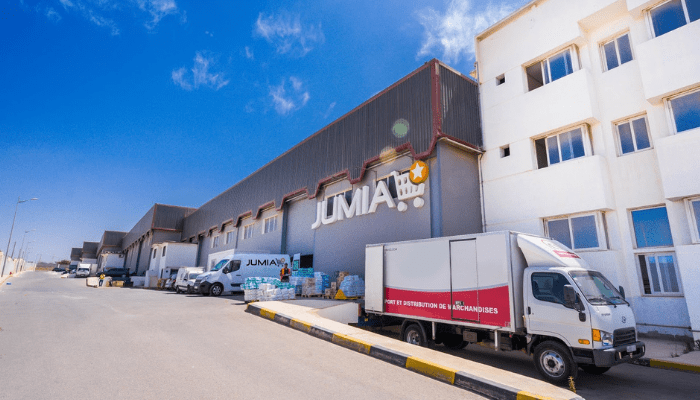
So where will the $50 million go? Jumia says it will use the money to strengthen its logistics network, warehouses, and JumiaPay, while expanding deeper into secondary and tertiary cities. That's important because one of the biggest problems with eCommerce in Africa isn't necessarily getting someone to order online; it's getting the product to them cheaply and reliably. Jumia has spent the past few years cutting costs and narrowing its focus, and the latest numbers show the impact: its adjusted EBITDA loss fell 36% year-on-year to $8.7 million in Q2. The company now says it is targeting adjusted EBITDA break-even and positive cash flow in Q4 2026, with full-year adjusted EBITDA profitability in 2027.
There's also a bit of history behind the Axian side of this deal. The Madagascar-based telecoms group first bought an 8% stake in Jumia in June 2025, later increasing its effective holding to around 10%. Axian's interest has always been intriguing because it operates telecoms and digital-finance businesses across Africa, potentially giving Jumia a strategic partner with reach beyond traditional eCommerce. In fact, Axian CEO Hassanein Hiridjee was elected to Jumia's supervisory board. The latest investment, therefore, isn't just another financial cheque; it deepens a relationship that started last year.
And this is where the bigger Jumia story gets interesting. Since Francis Dufay became CEO in 2023, the company has been aggressively cutting costs and walking away from businesses and markets that weren't helping it get closer to profitability. It exited food delivery in several markets and later pulled out of South Africa and Tunisia, concentrating resources on its stronger markets. The strategy is now beginning to show in its operating numbers, but the balance sheet has been under serious pressure. This $50 million gives Jumia some breathing room, and, perhaps more importantly, puts the IFC and an existing strategic investor behind its attempt to prove that African eCommerce can become a sustainable business rather than an endless fundraising story.
Jumia gets new $50M cash injectionJumia has just secured a $50 million equity injection, and the interesting part is who's backing it: the International Finance Corporation (IFC) and Axian. The deal, agreed on August 11, 2026, will see Jumia issue about 9.1 million American depositary shares at $5.52 each, with the IFC putting in $25 million and Axian and other investors providing the rest. Jumia says the fresh cash will strengthen its balance sheet and help fund its push towards profitability.The money is arriving at a pretty important moment for Jumia. At the end of June 2026, the company had just $48.3 million in cash and equivalents, down from $77.8 million at the start of the year, while its consolidated equity had fallen to only about $367,000. At the same time, there are signs that the business itself is moving in the right direction: second-quarter revenue rose 14% year-on-year to $52 million, while gross merchandise value grew 20%. So this isn't simply a case of investors throwing money at a business with no signs of improvement; Jumia is showing better operating numbers, but it still needs cash to keep going while it tries to reach break-even.So where will the $50 million go? Jumia says it will use the money to strengthen its logistics network, warehouses, and JumiaPay, while expanding deeper into secondary and tertiary cities. That's important because one of the biggest problems with eCommerce in Africa isn't necessarily getting someone to order online; it's getting the product to them cheaply and reliably. Jumia has spent the past few years cutting costs and narrowing its focus, and the latest numbers show the impact: its adjusted EBITDA loss fell 36% year-on-year to $8.7 million in Q2. The company now says it is targeting adjusted EBITDA break-even and positive cash flow in Q4 2026, with full-year adjusted EBITDA profitability in 2027.There's also a bit of history behind the Axian side of this deal. The Madagascar-based telecoms group first bought an 8% stake in Jumia in June 2025, later increasing its effective holding to around 10%. Axian's interest has always been intriguing because it operates telecoms and digital-finance businesses across Africa, potentially giving Jumia a strategic partner with reach beyond traditional eCommerce. In fact, Axian CEO Hassanein Hiridjee was elected to Jumia's supervisory board. The latest investment, therefore, isn't just another financial cheque; it deepens a relationship that started last year.And this is where the bigger Jumia story gets interesting. Since Francis Dufay became CEO in 2023, the company has been aggressively cutting costs and walking away from businesses and markets that weren't helping it get closer to profitability. It exited food delivery in several markets and later pulled out of South Africa and Tunisia, concentrating resources on its stronger markets. The strategy is now beginning to show in its operating numbers, but the balance sheet has been under serious pressure. This $50 million gives Jumia some breathing room, and, perhaps more importantly, puts the IFC and an existing strategic investor behind its attempt to prove that African eCommerce can become a sustainable business rather than an endless fundraising story.

 English
 French