


 Invite Others & Get paid
 9jawap Music
 Invite Friends
 Need Help
 FAQ
FAQ
 Collaborator Pro
Understanding Stablecoins: How USDT Powers Financial Inclusion
History of Stablecoins
The idea of stablecoins dates back to the early days of cryptocurrency, with the concept of a stable asset-backed cryptocurrency being proposed in 2012 by the Mastercoin project. However, it wasn't until a few years later that stablecoins gained momentum, with projects like Bitshares and NuBits launching in 2014.
Bitshares introduced the first stablecoin called “bitUSD,” which was designed to be pegged to the US dollar, with the value of one bitUSD always equal to one US dollar. This meant that bitUSD was backed by US dollars held in reserve, ensuring that its value remained stable in times of market volatility. NuBits, on the other hand, used supply and demand mechanics to maintain its peg to the US dollar.
Stablecoins have become a popular topic in the cryptocurrency world, offering a less volatile alternative in the short term to cryptocurrencies like Bitcoin.
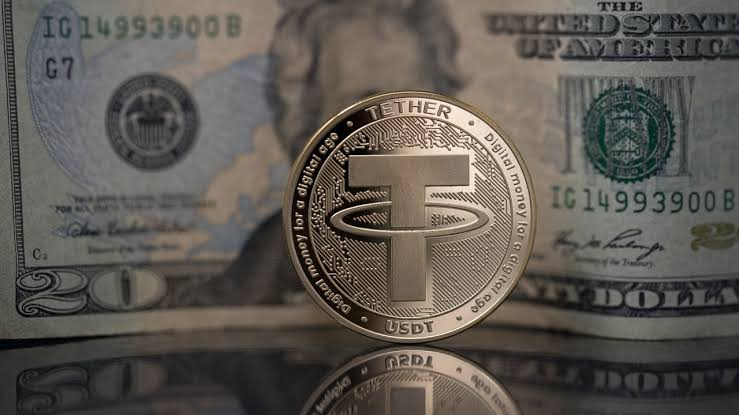
USDt is the most widely used in the world and it’s designed to be pegged to the US dollar, with the value of one USDt equal to one US dollar.
Initially, Tether was primarily used by traders to move funds between exchanges without the need for conversion to fiat currency. However, as more people started to use Tether, it gained its own momentum and popularity.
Tether has expanded its reach to keep up with the demand. Initially, Tether only offered USDt on the Bitcoin blockchain using the Omni “metaprotocol,” but as the market grew and on-chain scalability issues became more apparent, it began offering USDt representations on other cryptocurrencies’ blockchains, including Ethereum, Tron, Algorand, and others. Today, there is active research and development to once again add Tether’s stablecoins on top of Bitcoin, through RGB and Pear Credit. Tether has also launched new stablecoin products pegged to different fiat currencies like the euro, the yen, and the Chinese yuan.
Categories
- Artificial Intelligence
- Branding
- Content Marketing
- Copywriting
- Corporate Social Responsibility
- Creative Team
- Customer Service
- Digital Marketers
- Digital Marketing
- E-commerce
- Email marketing
- Entrepreneurs
- Entrepreneurship
- Frontend Web Development
- Graphic Design
- Growth Hacking
- Hiring
- Influencer marketing
- Inspirational Quotes
- Internet marketing
- Mobile App Development
- Partnership
- Public Relations
- Reputation Management
- Search Engine Optimization
- Small Business
- Social Media
- Social Media Management
- Social Media Managers
- Social Media Marketing
- Social Media Training
- Social Responsibility
- Software Development
- Team Spirit
- Technology Alliance
- Training
- Virtual Reality
- Voice Search Optimization
- Web Design
- Web Design training
- Website Optimization
- Public Figure
- Art
- Causes
- Crafts
- Dance
- Drinks
- Film
- Fitness
- Food
- Games
- Gardening
- Health
- Home
- Literature
- Music
- Networking
- Other
- Party
- Religion
- Shopping
- Sports
- Theater
- Wellness
Read More
What we built in 2025, what’s next, and how to be part of it 2025 has been a defining year for 9jawap. What began as a simple idea - to build a Nigerian-owned digital platform that truly works for Nigerians - has grown into a living, breathing community powered by creators, businesses, and everyday users. Together, we proved that world‑class technology can be built locally, for local...
FIVE INDICATORS THAT SHOWS YOU A MANIPULATOR A manipulator is someone who controls you or influences you against your wish in order to achieve his or her selfish purpose. Also, a manipulator is anyone who uses cunning or sly approach: lies, deceit, half truth, false story telling to surreptitiously maneuver you into doing something that will make them achieve their own selfish interest. A...